
Immune System Boosting Through Nutrition
Discover how strategic nutritional choices can strengthen your body's natural defenses. Learn the science behind immune-supporting foods and practical strategies to optimize your wellness journey.
Why Nutritional Choices Matter for Immunity
Your immune system relies on specific nutrients to function optimally. Every food choice contributes to your body's ability to recognize and respond to challenges. Strategic nutrition creates the foundation for resilience.
A well-nourished body maintains stronger barriers, supports healthy inflammatory responses, and keeps immune cells operating at peak efficiency. This is why what you eat matters as much as how much you move.
Nutrient Density
Whole foods provide bioavailable vitamins and minerals your immune cells need daily.
Sustainable Energy
Balanced nutrition maintains steady energy levels without inflammatory spikes.
Cellular Support
Antioxidants and phytonutrients help protect cells from oxidative stress.
The information on this site is for educational purposes only and does not constitute medical advice. Always consult a qualified healthcare professional before making health decisions.
Essential Immune-Boosting Nutrients
These key nutrients form the foundation of an immune-supporting diet. Understanding what they do helps you make informed food choices.
Vitamin C
Supports white blood cell production and function. Found in citrus fruits, berries, bell peppers, and leafy greens. Your body cannot store this nutrient, making daily intake essential.
Featured in: oranges, broccoli, kiwi, strawberries
Vitamin D
Regulates immune cell behavior and promotes defensive responses. Synthesized from sunlight exposure and found in fatty fish, egg yolks, and fortified foods. Critical for year-round immune function.
Featured in: salmon, mushrooms, eggs, fortified milk
Zinc
Essential for immune cell development and communication. Helps your body maintain barrier function. Absorbed best from animal sources but available in legumes and seeds too.
Featured in: oysters, beef, chickpeas, pumpkin seeds
Selenium
Acts as an antioxidant to protect immune cells from damage. Regulates inflammatory responses. Brazil nuts contain exceptionally high amounts, though many foods provide this mineral.
Featured in: Brazil nuts, tuna, brown rice, garlic
Probiotics
Support healthy gut bacteria which influence immune function significantly. Fermented foods contain live beneficial microorganisms. Gut health directly impacts overall immune resilience.
Featured in: yogurt, kefir, sauerkraut, kimchi, miso
Antioxidants
Protect cells from oxidative stress caused by free radicals. Include polyphenols, carotenoids, and flavonoids. Colorful fruits and vegetables are your primary sources of these protective compounds.
Featured in: berries, dark chocolate, green tea, spinach
Your 4-Week Immune System Reset Plan
A practical framework for building sustainable nutrition habits that support your immune function. Each week introduces new practices layered on previous ones.
Week 1: Foundation Building
Focus on adding rather than restricting. Incorporate one immune-supporting food into each meal. Examples: add berries to breakfast, include leafy greens in lunch, prepare fish or legumes for dinner. Track how these additions make you feel.
Week 2: Nutrient Optimization
Expand your food variety strategically. Eat the rainbow across different days. Introduce fermented foods like yogurt or sauerkraut. Start replacing processed snacks with nuts, seeds, or fresh fruit. Notice changes in energy levels and digestion.
Week 3: Pattern Integration
Consolidate new habits into your regular routine. Plan meals ahead for consistency. Establish eating patterns that work with your schedule. Ensure adequate protein intake across all meals. Begin noticing which foods make you feel best.
Week 4: Sustainability Review
Assess what practices feel sustainable for your lifestyle. Adjust portions and timing based on your experience. Identify favorite immune-supporting foods you'll keep. Plan adjustments for different seasons. Establish your personalized nutrition framework for ongoing wellness.
Nutrient-Rich Foods to Add to Your Diet
Practical, accessible foods that deliver immune-supporting nutrients. All are available at standard markets and easy to incorporate into daily meals.

Citrus Fruits
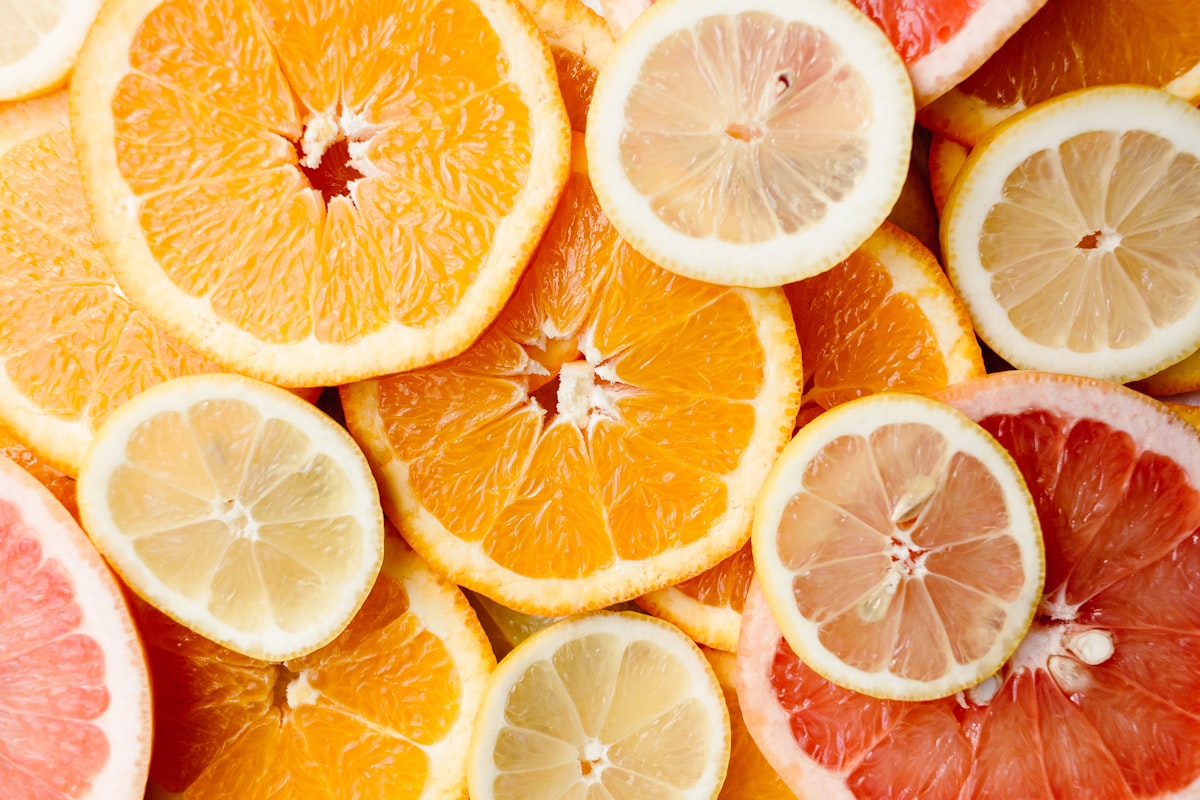
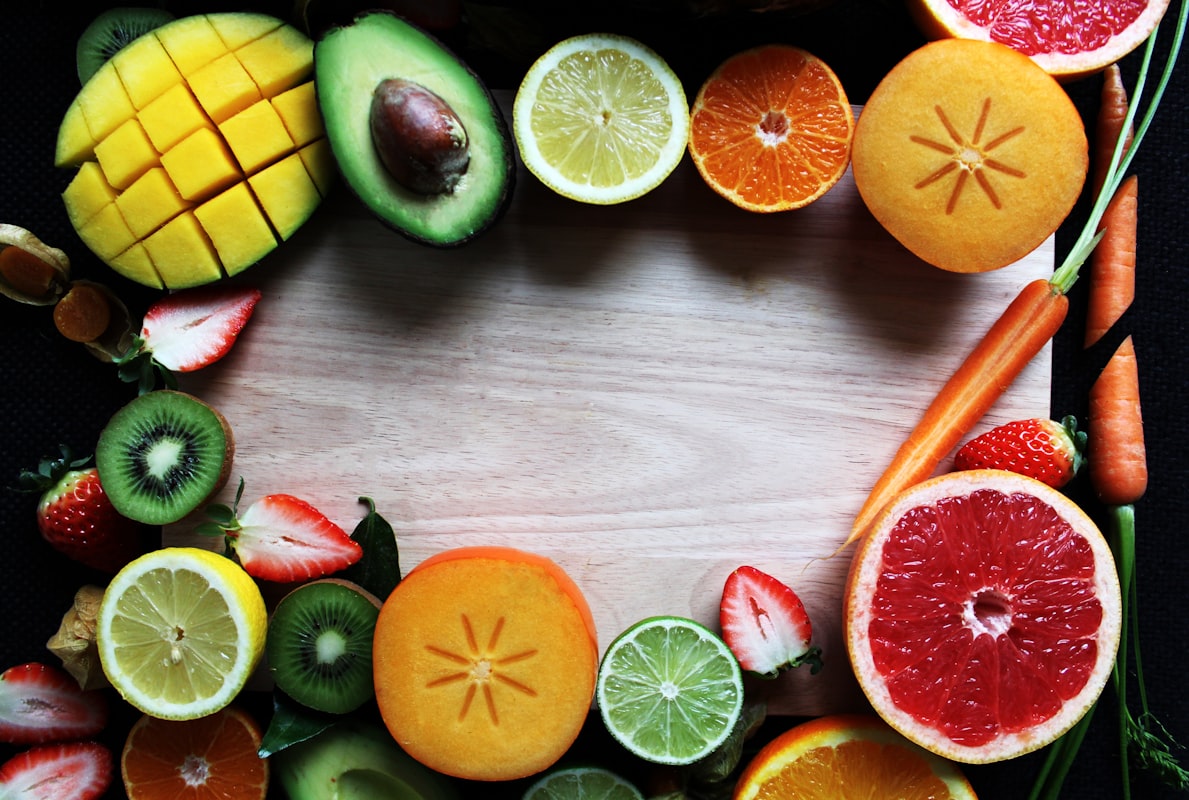
Oranges, lemons, grapefruits, and tangerines provide abundant vitamin C. Eat fresh, drink freshly squeezed juice, or add to teas. One orange covers significant daily vitamin C needs.

Berries
Blueberries, strawberries, raspberries, and blackberries contain powerful antioxidants. Fresh, frozen, or in smoothies—all forms retain nutritional value. Add to breakfast or snack throughout the day.
Leafy Greens
Spinach, kale, and swiss chard deliver vitamin C, folate, and antioxidants. Raw in salads or cooked in soups and stir-fries. Steaming preserves nutrients while improving absorption.
Fatty Fish
Salmon, mackerel, and sardines provide vitamin D and omega-3 fatty acids. Bake, grill, or pan-sear for dinner. Even canned varieties offer nutritional benefits and convenience.

Garlic
Contains allicin and selenium. Add to soups, stir-fries, roasted vegetables, or pasta dishes. Fresh garlic offers stronger flavor and more active compounds than powdered varieties.

Nuts & Seeds
Almonds, walnuts, flaxseeds, and pumpkin seeds provide zinc, selenium, and healthy fats. Eat as snacks, add to salads, or use in smoothies. Brazil nuts are exceptionally selenium-rich.
Yogurt
Contains live probiotics that support gut health and immune function. Choose plain, unsweetened varieties. Add berries or nuts for flavor and additional nutrients.

Legumes
Lentils, chickpeas, and black beans offer zinc, folate, and protein. Use in soups, salads, or curries. Dried or canned both work; rinse canned to reduce sodium content.
Broccoli
High in vitamin C and contains sulforaphane, a protective compound. Steam lightly to preserve nutrients or roast with olive oil for richer flavor. Works in salads, stir-fries, or soups.
Common Questions About Immune Nutrition
Practical answers to help you understand how nutrition supports your immune system and how to implement these concepts into daily life.
How quickly will I notice changes from improving my nutrition?
Energy levels typically improve within one to two weeks as your body receives consistent nutrition. However, systemic changes to immune function develop over weeks and months. Some people notice better digestion within days, while deeper cellular changes require consistent dietary practices over time. Listen to your body's signals rather than expecting immediate dramatic shifts.
Can supplements replace whole foods?
Whole foods provide nutrients in complex combinations your body has evolved to process. Supplements can fill specific gaps but lack the fiber, phytonutrients, and synergistic compounds found in actual foods. Focus first on diverse whole foods, then consider supplements only for documented deficiencies. Real food should be your foundation.
What if I have food allergies or restrictions?
Immune-supporting nutrition can be adapted to any dietary restriction. If you cannot eat fish, legumes and seeds provide zinc. If you're dairy-free, fermented vegetables and kombucha offer probiotics. Work within your individual needs to find nutrient-dense foods you can enjoy. The key is consistency with foods that work for your unique body.
Is vitamin D supplementation necessary in all climates?
Geographic location, season, and skin tone all affect vitamin D synthesis. In Indonesia's tropical climate, sun exposure is typically sufficient, especially near the equator. However, indoor workers or those with limited sun exposure may benefit from increased dietary sources like fatty fish or fortified foods. Assess your personal sun exposure habits before deciding on additional support.
How do I know if I'm getting enough variety?
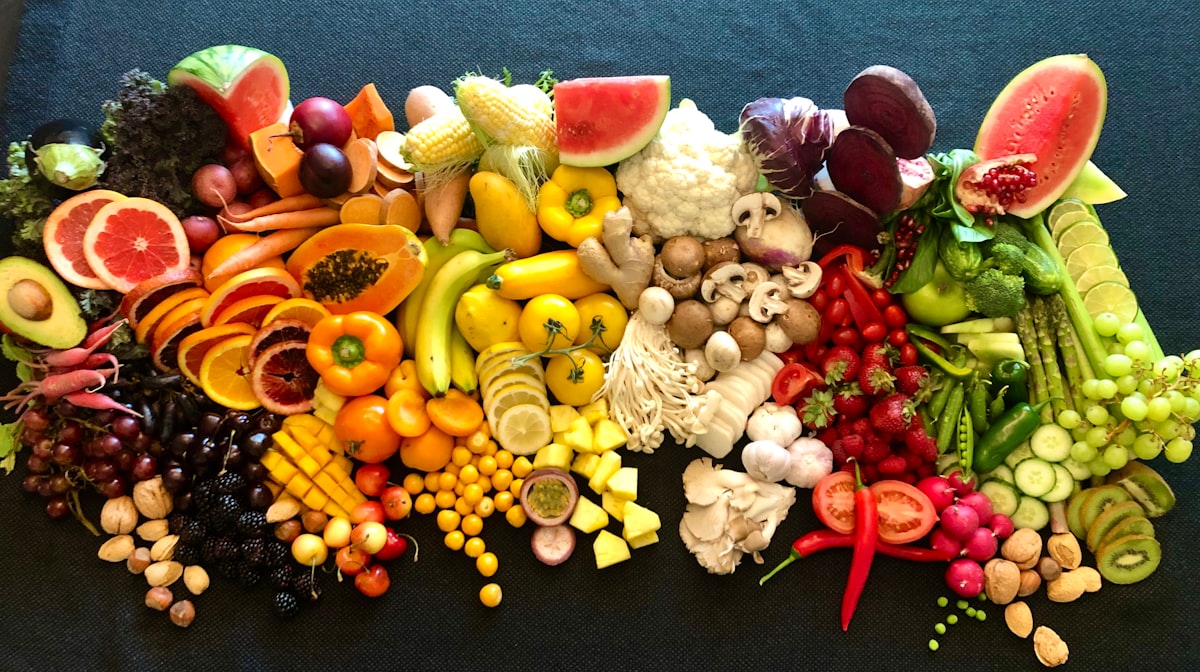
Use the "rainbow plate" approach: aim for multiple colors across meals throughout the week. If most of your food is brown, white, or beige, increase variety. Track your meals for a few days to identify gaps. Different colored foods contain different nutrients—red peppers, purple cabbage, orange sweet potatoes, green spinach, and white garlic each offer distinct benefits.
How do I know if I'm eating enough protein?
A simple rule: aim for 0.8–1g of protein per pound of body weight daily, depending on your activity level. Signs you may not be eating enough include muscle loss, slow recovery from exercise, constant fatigue, or brittle nails and hair. Track your protein intake for a week to establish a baseline, then adjust portions accordingly. Include protein at each meal: eggs, chicken, fish, beans, Greek yogurt, or plant-based alternatives.
What's the best time to eat after a workout?
The "anabolic window" isn't as strict as once believed, but eating within 1–2 hours post-workout is still beneficial. Your body is primed to absorb nutrients and begin muscle repair. Consume a meal with both carbohydrates (to replenish glycogen) and protein (to support muscle synthesis). Examples: grilled chicken with rice, Greek yogurt with fruit, or a turkey sandwich. Hydration matters just as much—drink water consistently throughout the day.
Can I build muscle on a plant-based diet?
Absolutely. Plant-based diets can support muscle growth if you eat enough total protein and calories. Focus on legumes, tofu, tempeh, seitan, nuts, seeds, and whole grains. Combine incomplete proteins (e.g., rice + beans) to get all essential amino acids. Consider a plant-based protein powder if whole foods don't meet your targets. The key is consistency: eat in a caloric surplus, lift weights, and prioritize recovery. Many athletes thrive on plant-based nutrition.
What Our Clients Say

Sarah M.
Fitness Enthusiast
"Divinotdqk's nutrition guidance completely transformed my energy levels and body composition. The personalized meal plans made eating healthy actually enjoyable. Highly recommended!"

Marcus J.
Professional Athlete
"Working with Divinotdqk improved my athletic performance and recovery time. Their science-based approach gave me the competitive edge I needed. A game-changer!"

Emma T.
Health Coach
"As a coach, I recommend Divinotdqk to all my clients. The nutrition plans are evidence-based, easy to follow, and deliver real results. Fantastic resource!"